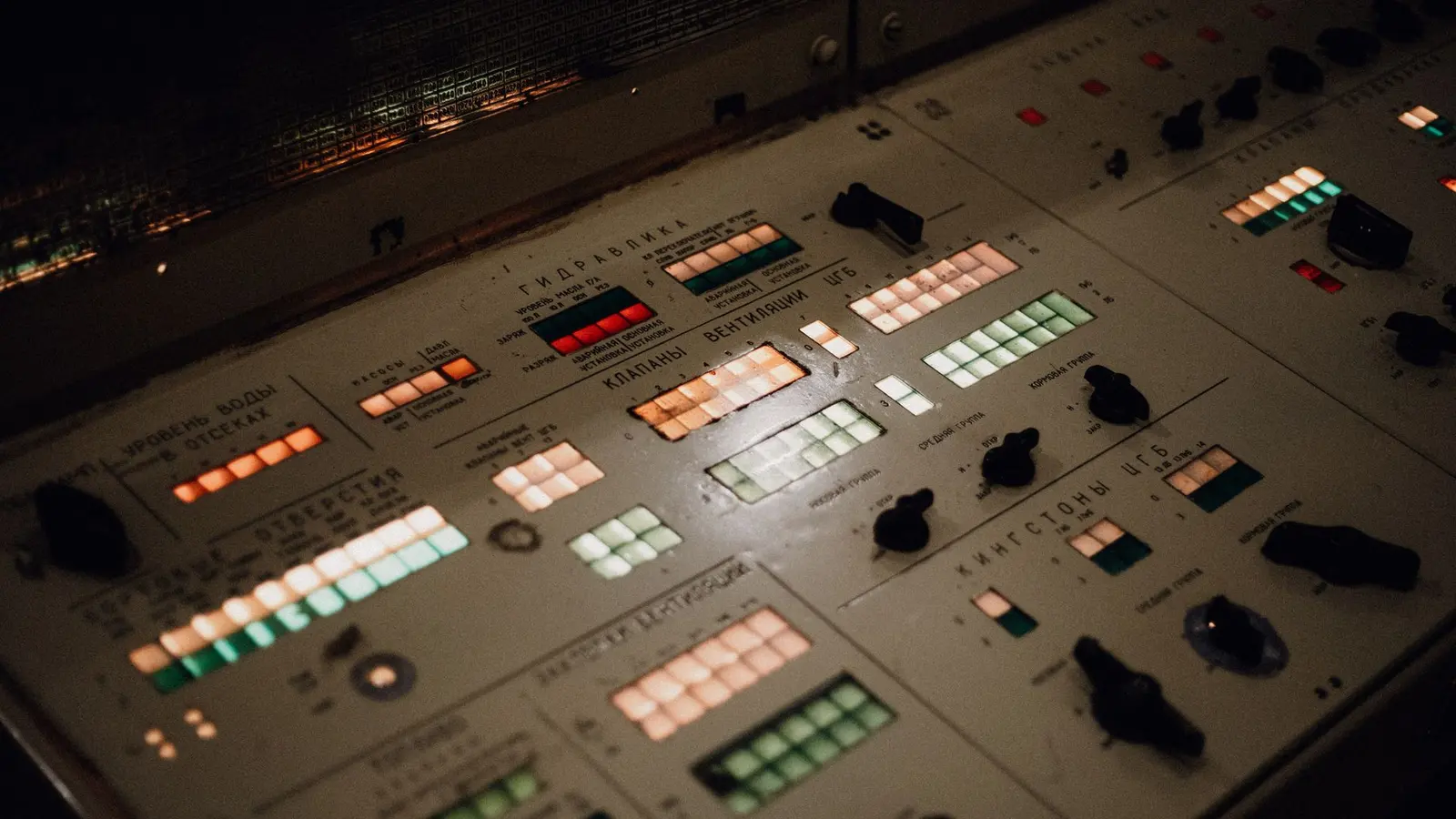

A speciality chemicals manufacturer · Chemicals & Process
Catching batch quality issues before they ship
Quality problems surfaced in the lab, after the batch was made — sometimes after it shipped. We put the signals in front of operators as the batch ran, so the save happened on the line, not in a recall.
Written by Shubham Panwar
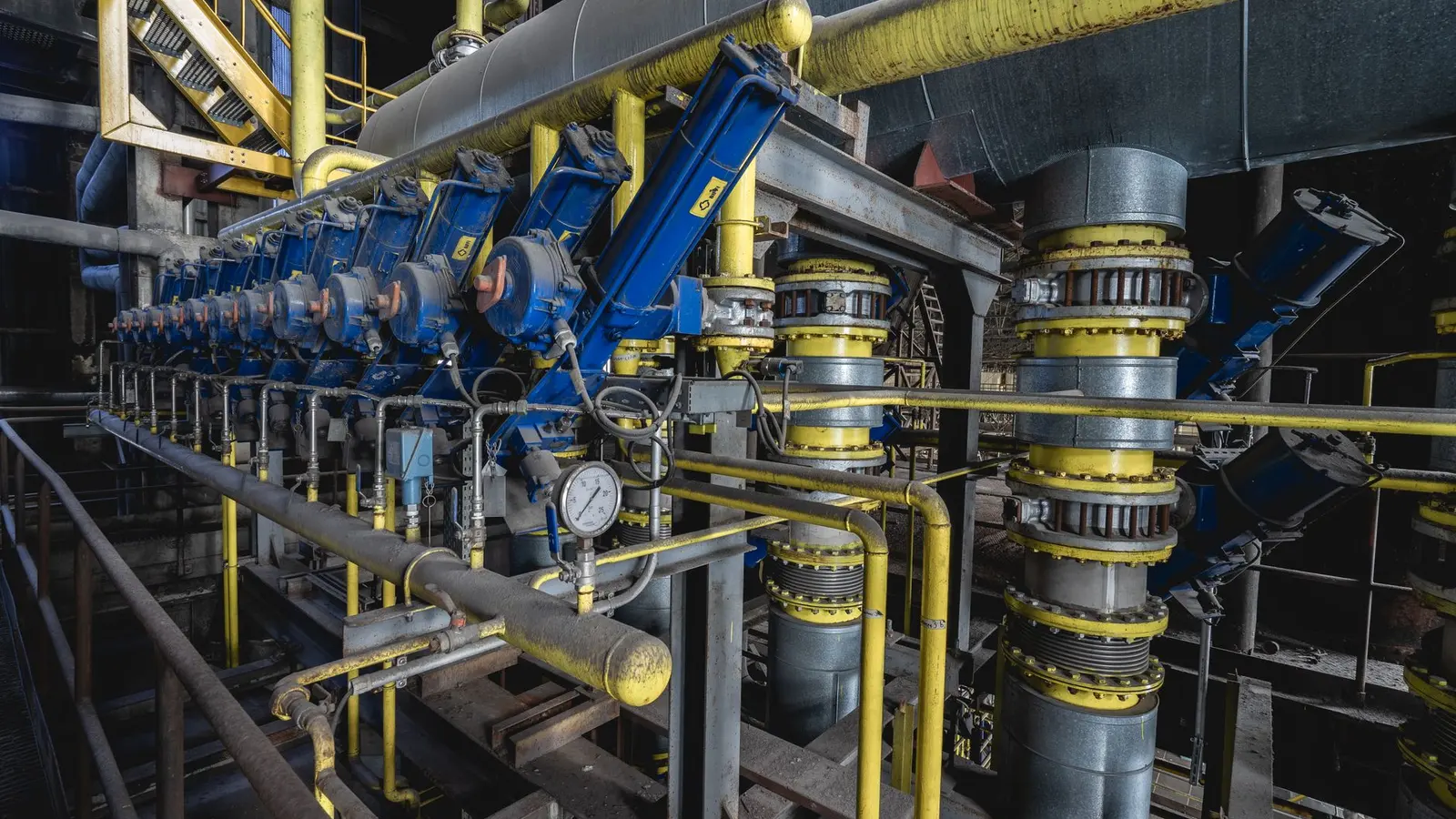
- Off-spec batches
- −22%
- Time to detect a deviation
- Hours → live
- Rework and scrap
- −17%
The challenge
In speciality chemicals, the difference between a good batch and an expensive one is often a subtle drift caught early — or missed. Our client’s quality signals lived where they always had: in process historians, lab results and operator logs that only came together after the fact. By the time a deviation showed up in a lab report, the batch was made. Occasionally it had already shipped, and a quiet problem became a loud, costly one.
The knowledge to prevent it existed. Experienced operators could often say what “looked wrong” — but the data that would have confirmed it wasn’t in front of them when it mattered.
The approach
We started on the plant floor, with the people who run the batches, understanding which deviations actually hurt and what early warning would have looked like. The aim wasn’t a cleverer lab report. It was to move the moment of detection from after the batch to during it.
- We unified the signals — process data, lab results and operator logs — into one reconciled, trustworthy source, resolving the quiet disagreements between systems that had gone unnoticed for years.
- We put deviations in front of operators live, on screens readable across the floor, so a drift toward off-spec triggers attention while the batch can still be saved.
- We respected the environment and the expertise, building for how the plant actually runs and encoding what the best operators already knew rather than replacing their judgement with a black box.
The impact
With problems visible as the batch ran rather than in the next day’s lab report, off-spec batches fell by more than a fifth and the time to detect a deviation collapsed from hours to live. Rework and scrap came down with them. The expertise that used to live only in a veteran operator’s instinct is now backed by numbers on a screen — and the save happens on the line, where it’s cheap, instead of in a recall, where it isn’t.
We continue to run and extend the platform alongside the client’s quality team.